
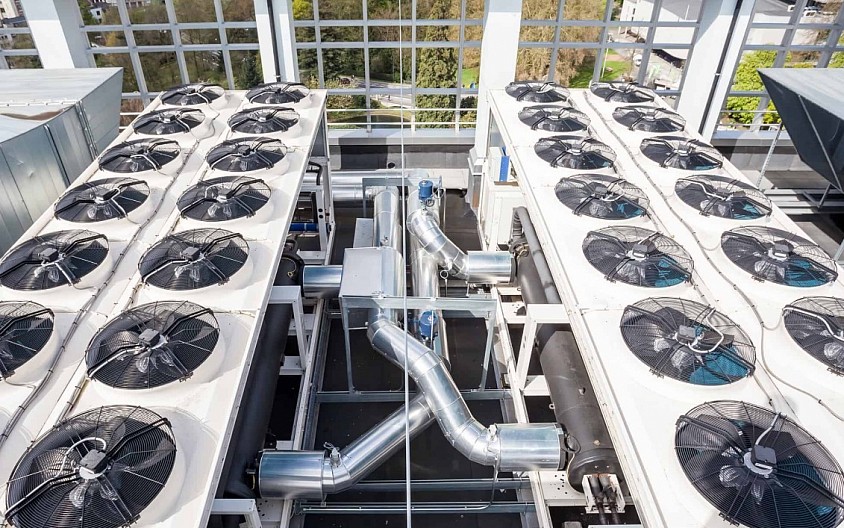
Smart Home Comfort Strategies for Coastal Climates
Keeping homes comfortable along the Southeast coast requires a balanced approach to HVAC, plumbing, and electrical systems. Humidity, salt air, and sudden temperature swings put extra pressure on equipment and infrastructure. With planning and steady upkeep, homeowners can stretch system lifespans, improve efficiency, and avoid disruptive breakdowns when the weather turns.
A Coastal Game Plan for Reliable Home Systems
Salt-laden air and heavy moisture can accelerate wear on outdoor units, wiring, and plumbing fixtures. Routine inspections and timely upgrades reduce that risk. The following guidance outlines how to prioritize care for HVAC, plumbing, and electrical components so the entire home works in sync.
HVAC Essentials for Year-Round Efficiency
Air conditioning does more than cool; it manages humidity that can stress building materials. Clean filters, clear condensate drains, and proper refrigerant charge are critical. AC Installation decisions should factor in equipment sizing and ventilation layout to maintain airflow without hot spots. AC Repair and Heating Repair should be scheduled at the first sign of odd noises, short cycling, or rising utility bills, preventing minor issues from becoming major failures. In cooler months, Heating Installation and tune-ups keep heat exchangers, burners, and safety controls operating safely and efficiently.
Timely Focus on ac repair savannah Homeowners Can Trust
Coastal summers push cooling systems hard, especially during late-day peaks. Addressing worn capacitors, corroded coils, or loose electrical connections promptly prevents cascading damage. Planning seasonal service around the shoulder months helps ensure availability and thorough inspections. When a system struggles, airflow checks, thermostat calibration, and duct sealing are common steps that restore comfort without guesswork.
Plumbing Priorities in Humid Regions
Moisture and temperature changes can impact seals, traps, and water heaters. Water Heater Installation should account for proper venting, expansion control, and local water quality. Regular Drains maintenance reduces clogs that thrive in warm, damp conditions. Leak Detection using acoustic tools and visual checks can catch pinhole leaks behind walls or under slabs before they cause structural damage. Proactive plumbing care protects finishes, improves indoor air quality, and limits mold-friendly conditions.
Electrical Safety and Performance
Electrical systems in coastal zones benefit from corrosion-resistant components and tight terminations. Up-to-date grounding and surge protection guard sensitive HVAC controls and home electronics during storms. Periodic inspections help identify heat-damaged breakers, oxidized connections, or undersized circuits that strain under modern appliance loads. Coordinating electrical upgrades with HVAC improvements ensures equipment receives stable power for peak performance.
A Practical Maintenance Roadmap
A clear, seasonal plan keeps all systems aligned and reduces surprises. Use this checklist as a working guide:
1. Schedule HVAC inspections before peak seasons to verify refrigerant charge, airflow, condensate drainage, and control settings.
2. Replace or clean air filters regularly and clear vegetation around outdoor units to maintain proper airflow.
3. Test smoke and carbon monoxide detectors, and inspect electrical panels for hot spots, corrosion, or tripped breakers.
4. Flush water heaters per manufacturer guidance and check anode rods where applicable to slow tank corrosion.
5. Run hot water and enzyme-safe cleaners through slow Drains, and use strainers to catch debris in kitchens and baths.
6. Conduct Leak Detection walkthroughs, looking for damp spots, meter changes with fixtures off, and musty odors near walls or floors.
7. Seal ductwork leaks and add insulation where needed to stabilize temperatures and reduce system runtime.
8. Evaluate thermostat placement and programming to match occupancy patterns, avoiding frequent set point swings.
Smart investments in maintenance pay off in fewer breakdowns, steadier comfort, and better energy use. Combining HVAC tune-ups with plumbing and electrical inspections creates a fuller picture of system health and uncovers issues that might otherwise be missed. Whether planning an AC Installation, arranging AC Repair, or preparing for winter with Heating Installation and Heating Repair, consistent care keeps homes resilient in demanding coastal conditions.
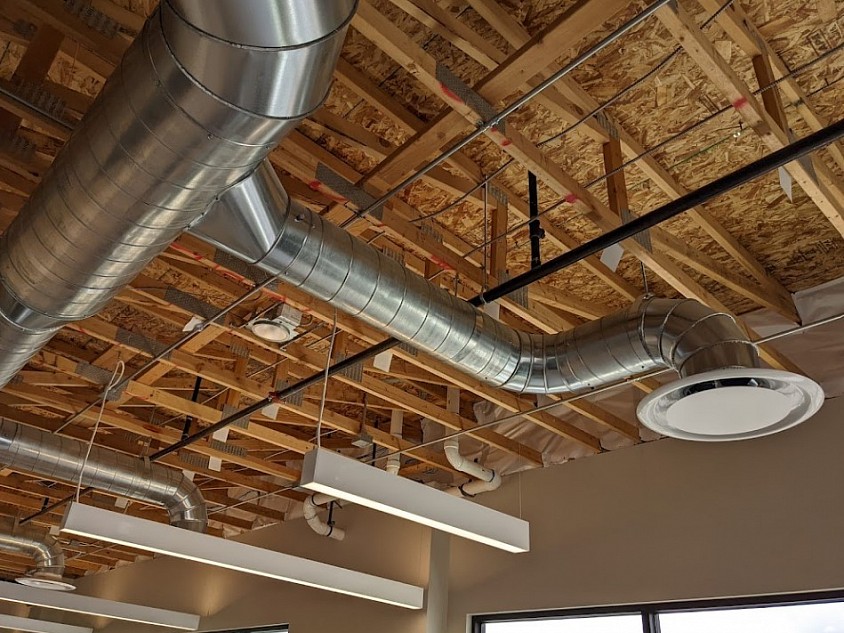
Coastal Home Systems Guide: Smarter Comfort, Safety, and Efficiency Year-Round
Home Systems Insight: Keeping Comfort Flowing in Coastal Homes
Coastal living brings unique comfort challenges: salty air, sudden thunderstorms, and long, humid summers. A well-tuned mix of HVAC, plumbing, and electrical systems makes all the difference in staying comfortable and safe. Thoughtful planning, timely maintenance, and the right upgrades help keep energy use in check while minimizing disruptive breakdowns.
The Big Three: HVAC, Plumbing, and Electrical Work Together
Your heating and cooling equipment needs clean power, reliable drainage, and steady airflow. Electrical supply quality influences motor performance, while clogged drains can cause condensation backups around air handlers. In the same way, a dependable water heater benefits from proper wiring and safe venting. Integrating service schedules across HVAC, plumbing, and electrical tasks prevents one weak link from straining the rest of the home.
Seasonal Coastal Challenges and How to Prepare
Salt-rich air can corrode outdoor components faster than in inland areas. That means outdoor condensers, service disconnects, and exposed plumbing valves deserve extra attention. Before summer humidity ramps up, schedule AC Repair checks to confirm refrigerant levels, airflow, and thermostat calibration. Ahead of cooler months, Heating Installation or Heating Repair assessments can identify safety issues and efficiency losses. For year-round hot water, proper Water Heater Installation with correct expansion control helps protect fixtures and appliances.
Pro Tips for Energy-Savvy Comfort
Balanced airflow is essential. Keep outdoor units clear of debris and trim back vegetation to maintain breathing room. Inside, replace or clean filters on schedule and keep supply and return vents unblocked. Address Leaks early: small drips, persistent moisture at connections, or mysterious water sounds behind walls signal a need for Leak Detection. Fixing issues upstream saves energy and prevents secondary damage to walls, floors, and electrical components.
When to Call a Pro
Some tasks belong with trained technicians. Electrical panel work, new AC Installation, or troubleshooting intermittent thermostat and wiring issues are best handled by licensed pros. The same goes for Drain clearing when repeated clogs suggest deeper problems. For urgent cooling issues during a heat wave, look for local expertise in hvac repair savannah homeowners rely on for fast diagnostics and dependable fixes that align with regional conditions.
Building a Maintenance Plan That Lasts
A steady rhythm of inspections can extend equipment life and improve reliability. Pair seasonal HVAC service with plumbing and electrical checks for a complete picture. Document filter sizes, breaker labels, valve locations, and service dates in one place. This simple step reduces downtime and helps any technician understand your home’s layout quickly.
Actionable Checklist for Coastal Homeowners
1. Schedule bi-seasonal HVAC tune-ups covering AC Repair checks before summer and Heating Repair evaluations before cold snaps.
2. Inspect outdoor equipment for corrosion; rinse salt residue from coils and housings, and keep 18–24 inches of clearance around condensers.
3. Test GFCI and AFCI protection in wet or critical areas; address any nuisance tripping with a qualified Electrical assessment.
4. Flush sediment from tank-style water heaters as recommended and verify proper Water Heater Installation components, including expansion and relief valves.
5. Perform proactive Leak Detection in bathrooms, kitchens, and mechanical rooms to safeguard walls, floors, and wiring from moisture.
6. Clear and maintain Drains; if clogs persist, request professional inspection to locate obstructions or venting issues.
7. Review thermostat settings, replace filters on schedule, and confirm that supply and return vents are open and balanced across rooms.
Thoughtful Investments for Comfort and Safety
Well-planned upgrades often pay off in peace of mind. Smart thermostats, improved attic insulation, and properly sized AC Installation can stabilize indoor temperatures and reduce strain on equipment. Electrical enhancements, including surge protection and dedicated circuits for major appliances, help prevent nuisance outages and equipment damage. Together with sound plumbing practices and early Leak Detection, these improvements create a more resilient, efficient home that’s ready for every season on the coast.
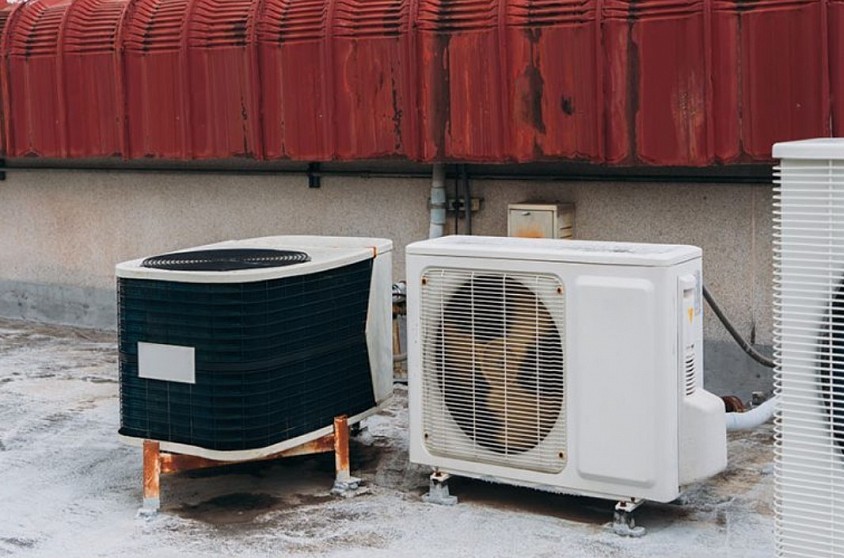
Coastal Climate Considerations for Reliable HVAC Performance in Savannah
From salty sea air to relentless humidity, the coastal environment presents unique challenges for heating and cooling systems. Thoughtful planning and routine attention can keep equipment operating efficiently and comfortably year-round. The following points outline practical, homeowner-friendly insights tailored to a coastal city’s conditions and explain how to stay ahead of unexpected breakdowns and energy waste.
1. Understand how salt air affects components
Salt-laden breezes can accelerate corrosion on outdoor units, coils, fins, and fasteners. Over time, this leads to efficiency loss and premature wear. Positioning the condenser to encourage airflow, rinsing the coil surface with fresh water as part of routine care, and using corrosion-resistant hardware where possible help protect equipment. A protective coastal coating applied by a qualified technician can add another layer of defense.
2. Prioritize routine cleaning and inspections
Dust, pollen, and coastal grit clog filters and coil surfaces, forcing systems to run longer and harder. Replace or clean filters according to manufacturer guidance and schedule seasonal tune-ups that include coil cleaning, refrigerant checks, and electrical inspections. Catching minor issues early minimizes strain on compressors and blowers while improving comfort and air quality.
3. Control indoor humidity for comfort and system health
High humidity reduces comfort even at moderate temperatures and encourages microbial growth inside ductwork and air handlers. Aim for indoor relative humidity in a comfortable range by ensuring proper airflow, sealing duct leaks, and confirming that condensate drains are clear. In persistently damp spaces, discuss supplemental moisture control options with a qualified professional to protect finishes and improve indoor air quality.
4. Watch for warning signs before a breakdown
Uneven room temperatures, longer-than-normal run times, frequent cycling, unfamiliar noises, and rising utility bills are early signals that attention is needed. Acting quickly can prevent more extensive damage. When performance slips during a heat wave or cold snap, homeowners often turn to HVAC REPAIR SAVANNAH to diagnose airflow restrictions, electrical faults, or refrigerant-related issues and restore dependable operation.
5. Improve efficiency with targeted upgrades
Small enhancements can yield noticeable comfort gains. High-MERV filters improve air cleanliness but must be matched to the blower’s capability to avoid restricting airflow. Smart thermostats allow optimized scheduling, while weather-stripping, attic insulation, and shading strategies help systems maintain setpoints with less effort. If equipment is aging, a consultation about right-sizing and efficiency ratings can reveal opportunities for quieter operation and lower utility spend.
6. Protect systems during storms and extreme weather
Coastal storms demand preparation. Ensure the outdoor unit is firmly secured to its pad, trim vegetation and clear debris, and consider surge protection to safeguard electronics. After a significant weather event, a post-storm inspection can confirm that fins are unobstructed, wiring is intact, and refrigerant lines are undamaged. Simple steps taken before and after severe weather help avoid hidden problems that reduce performance over time.
7. Keep ducts tight and clean for better airflow
Leaky or dusty ductwork undermines efficiency, comfort, and cleanliness. Sealing accessible joints with mastic, adding insulation in unconditioned areas, and ensuring returns are unobstructed all support balanced airflow. If renovations or long-term dust buildup have affected ducts, a professional evaluation can determine whether cleaning or selective replacement will improve system health.
8. Match maintenance to the seasonal rhythm
Before cooling season, verify thermostat settings, test system start-up, and confirm that condensate lines are clear. Ahead of heating season, inspect burners or heat elements, confirm safe operation, and check for unusual odors or noises on the first run. Documenting each tune-up helps track trends and plan for timely part replacements rather than emergency calls.
9. Balance comfort with indoor air quality
Comfort depends on more than temperature. Filtration, ventilation, and humidity work together to maintain a healthy environment. Discuss filtration levels appropriate for household sensitivities, ensure adequate fresh air exchange where required, and verify that bathroom and kitchen exhausts function effectively. Aligning these factors reduces odors, allergens, and moisture-related concerns.
10. Build a long-term care plan
Create a simple schedule that includes filter changes, coil rinses, visual inspections, and seasonal tune-ups. Keep notes about noise changes, energy use, and any room-to-room comfort shifts. This record accelerates troubleshooting and helps prioritize future upgrades that align with your home’s layout, climate demands, and comfort goals.
By tailoring system care to coastal realities and responding promptly to early warning signs, homeowners can maintain steady comfort, manage energy use, and extend equipment life. When performance dips or a sudden outage strikes, timely professional attention—such as HVAC REPAIR SAVANNAH—helps restore reliable operation and peace of mind.
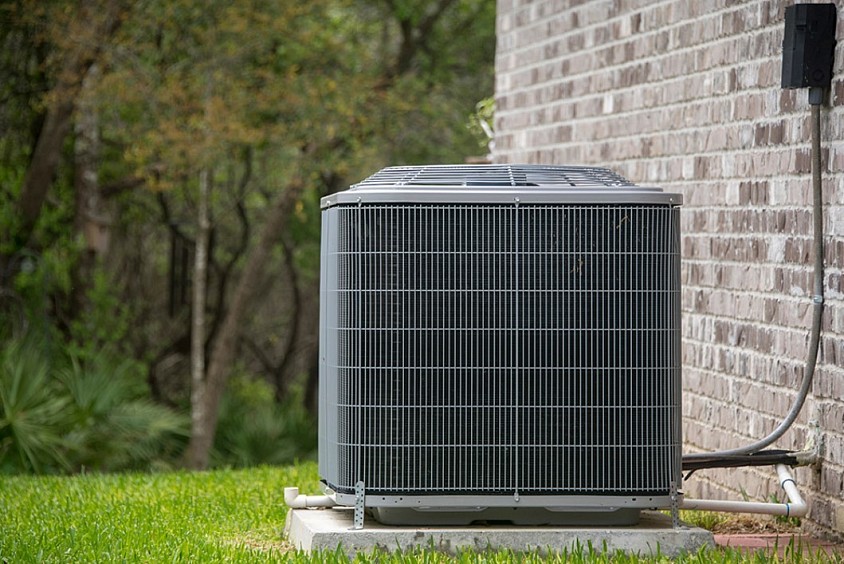
Navigating Coastal Climate Needs with hvac contractor savannah Expertise
1. Understand coastal climate dynamics
Savannah’s heat, humidity, and salt-laden breezes place unique demands on comfort systems. Equipment near the coast faces elevated moisture exposure, which can influence component longevity and indoor air quality. Working with an hvac contractor savannah ensures guidance tailored to this environment, from moisture control strategies to recommendations that align with local building conditions and seasonal weather patterns.
2. Prioritize right-sized system planning
A common challenge in humid regions is ensuring a system is neither oversized nor undersized. Proper planning involves evaluating square footage, insulation, sun exposure, and airflow pathways to balance comfort and efficiency. Careful attention to sizing helps reduce temperature swings and manages humidity more effectively, supporting stable comfort during long, warm seasons.
3. Focus on humidity management
Humidity control isn’t just about comfort; it’s about protecting furnishings, minimizing musty odors, and discouraging mold growth. A well-calibrated setup balances cooling output and airflow to remove moisture from the air as efficiently as possible. This includes ensuring return and supply pathways are optimized and that air doesn’t short-cycle through the space without adequate dehumidification.
4. Elevate indoor air quality
In high-humidity coastal areas, filtration and ventilation strategies play a major role. Thoughtful filter selection, proper replacement intervals, and balanced ventilation can help address pollen, dust, and coastal particulates. Paying attention to air changes, sealing leaky ducts, and reducing unfiltered infiltration from attics or crawlspaces can contribute to cleaner, healthier air throughout the home.
5. Strengthen system longevity practices
Moisture and salt can accelerate corrosion, so protecting outdoor components matters. Simple steps like maintaining clear airflow around the outdoor unit, keeping vegetation trimmed back, and ensuring proper drainage can extend operational life. Regular inspections to check electrical connections, coils, and cabinet integrity help identify early signs of wear, preventing minor issues from ballooning into major concerns.
6. Improve energy efficiency with smart habits
Even without replacing equipment, homeowners can make meaningful gains by tuning operation and habits. Calibrating thermostats, setting steady temperature targets, and managing solar heat gain with shade or window treatments can cut unnecessary runtime. Sealing ductwork and addressing drafts reduce losses that force the system to work harder. These incremental improvements can deliver a more comfortable home with less strain on equipment.
7. Plan seasonal preparedness
Before peak summer heat, it’s wise to verify that airflow is optimized, filters are fresh, and drains are clear. After pollen-heavy spring months, cleaning around outdoor units helps maintain proper ventilation. As cooler evenings arrive, reviewing thermostat schedules and ensuring the system is ready for transitional weather helps avoid discomfort during shoulder seasons. An hvac contractor savannah can help tailor a schedule that fits the local calendar and your home’s specific needs.
8. Consider whole-home airflow balance
Comfort depends on more than equipment capacity. Balanced airflow room-to-room reduces hot and cold spots, helps manage humidity, and supports consistent temperatures. Addressing pressure imbalances, ensuring returns are unobstructed, and checking that supply registers aren’t blocked by furniture can make a noticeable difference. Thoughtful airflow planning pairs with insulation and weatherization to create a cohesive comfort strategy.
9. Protect against moisture intrusion
Coastal climates can drive moisture through gaps and cracks in the building shell. Paying attention to sealing penetrations, improving attic and crawlspace conditions, and managing drainage around the foundation supports the comfort system’s dehumidification efforts. Keeping moisture out means the system doesn’t have to work as hard to maintain indoor comfort.
10. Align choices with local codes and climate
Local codes reflect lessons learned from regional weather patterns. Equipment placement, clearances, and condensate handling matter more than many realize. By aligning decisions with these standards and with the realities of Savannah’s climate, homeowners gain performance, reliability, and peace of mind. Partnering with an hvac contractor savannah helps ensure each choice—from components to configuration—fits the home, the neighborhood, and the weather that defines daily life.
This coastal-focused approach centers on right-sized planning, diligent humidity control, airflow balance, and moisture management. With attention to these fundamentals, homeowners can enjoy steady comfort, cleaner air, and more reliable performance year-round—supported by local expertise that understands how Savannah’s environment shapes every aspect of indoor living.